Namibia · Wildlife & parks · Etosha, desert elephants, rhinos, cheetahs
Namibia's wildlife is not about crowds of animals in green bush but about survival — elephants that walk dry riverbeds for days, lions that hunt on the coast, rhinos in rock desert. Here are the parks and conservancies, when to go, malaria, and the honest picture of conservation and poaching.
Search our Network. Start here.
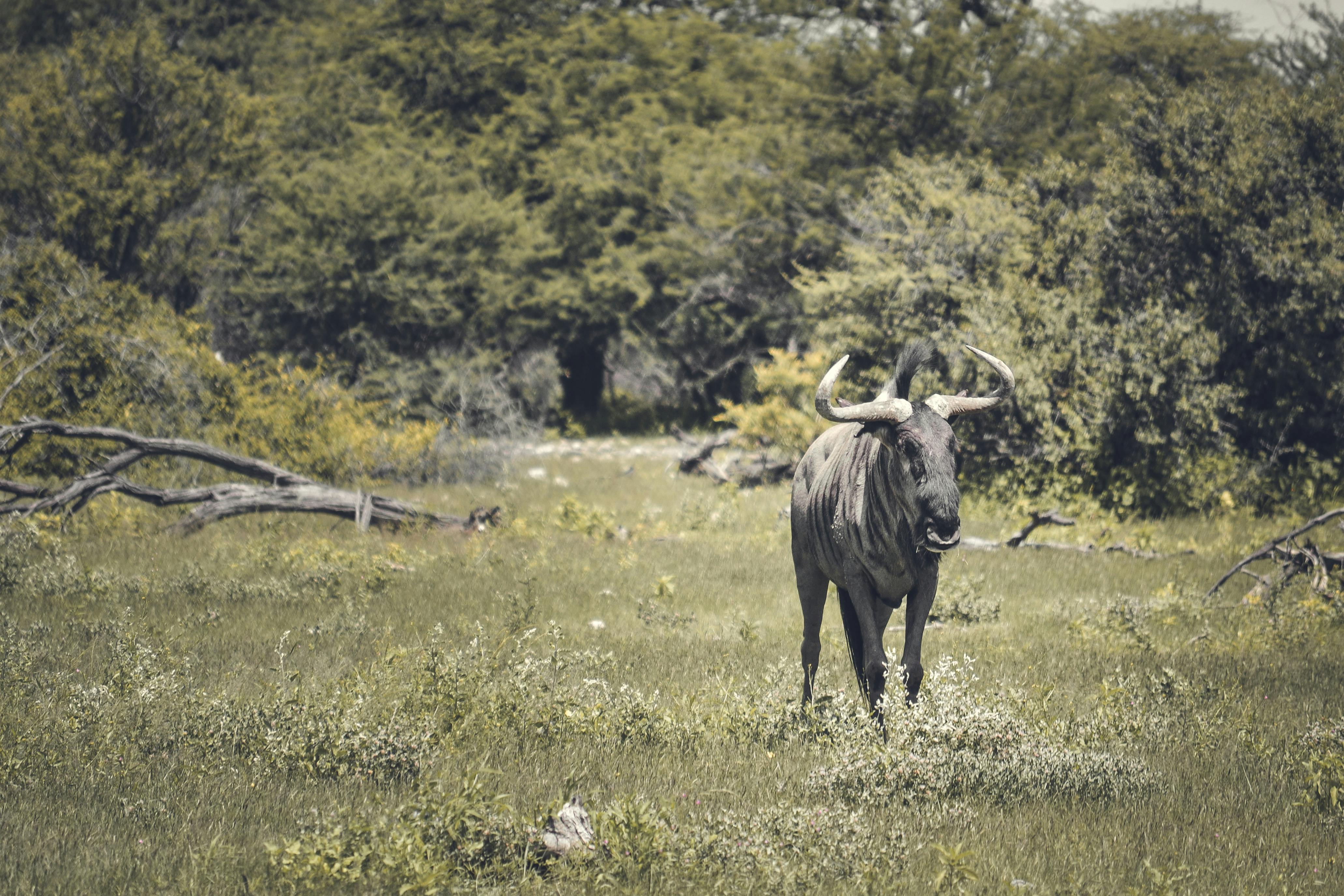
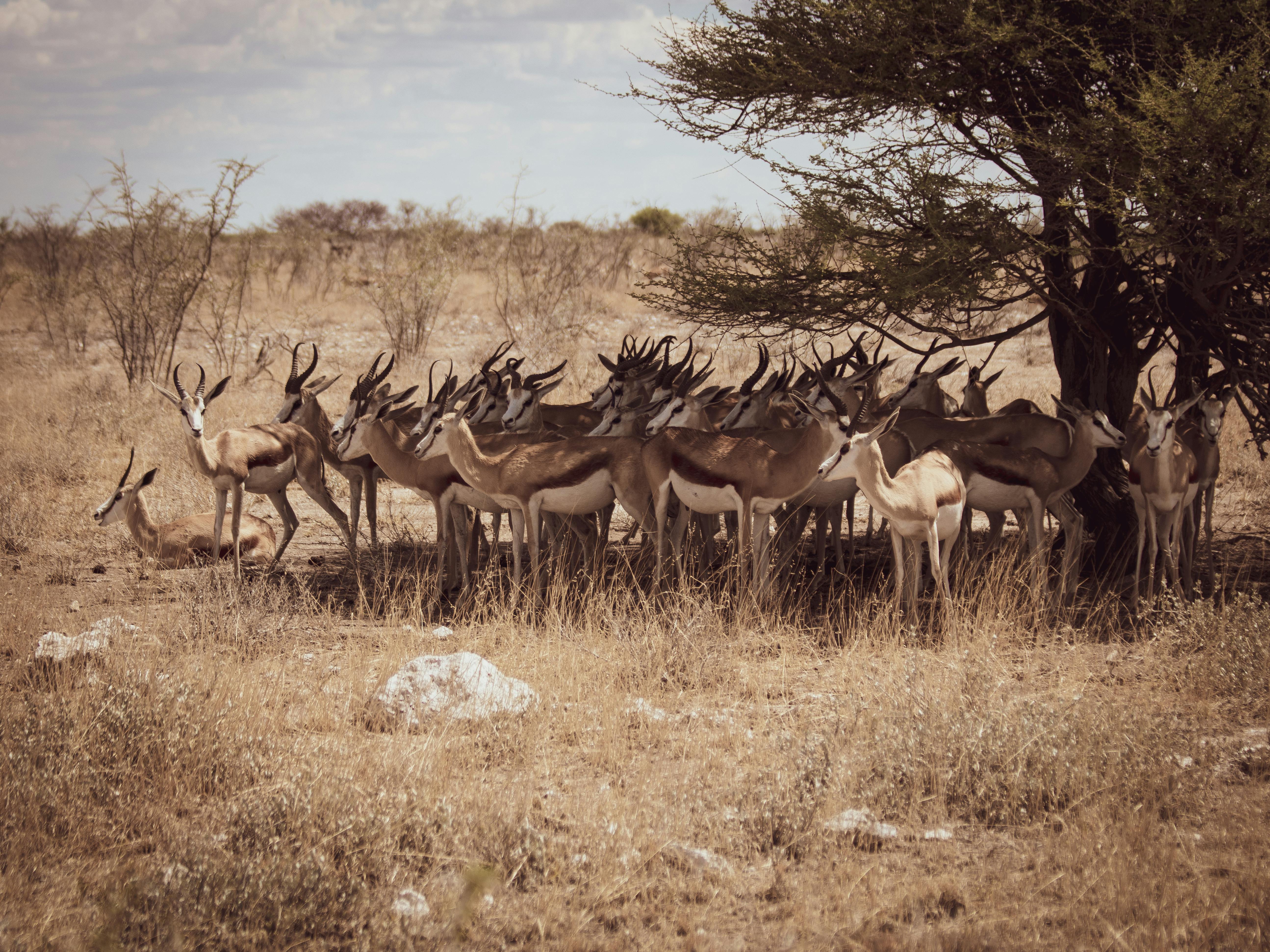
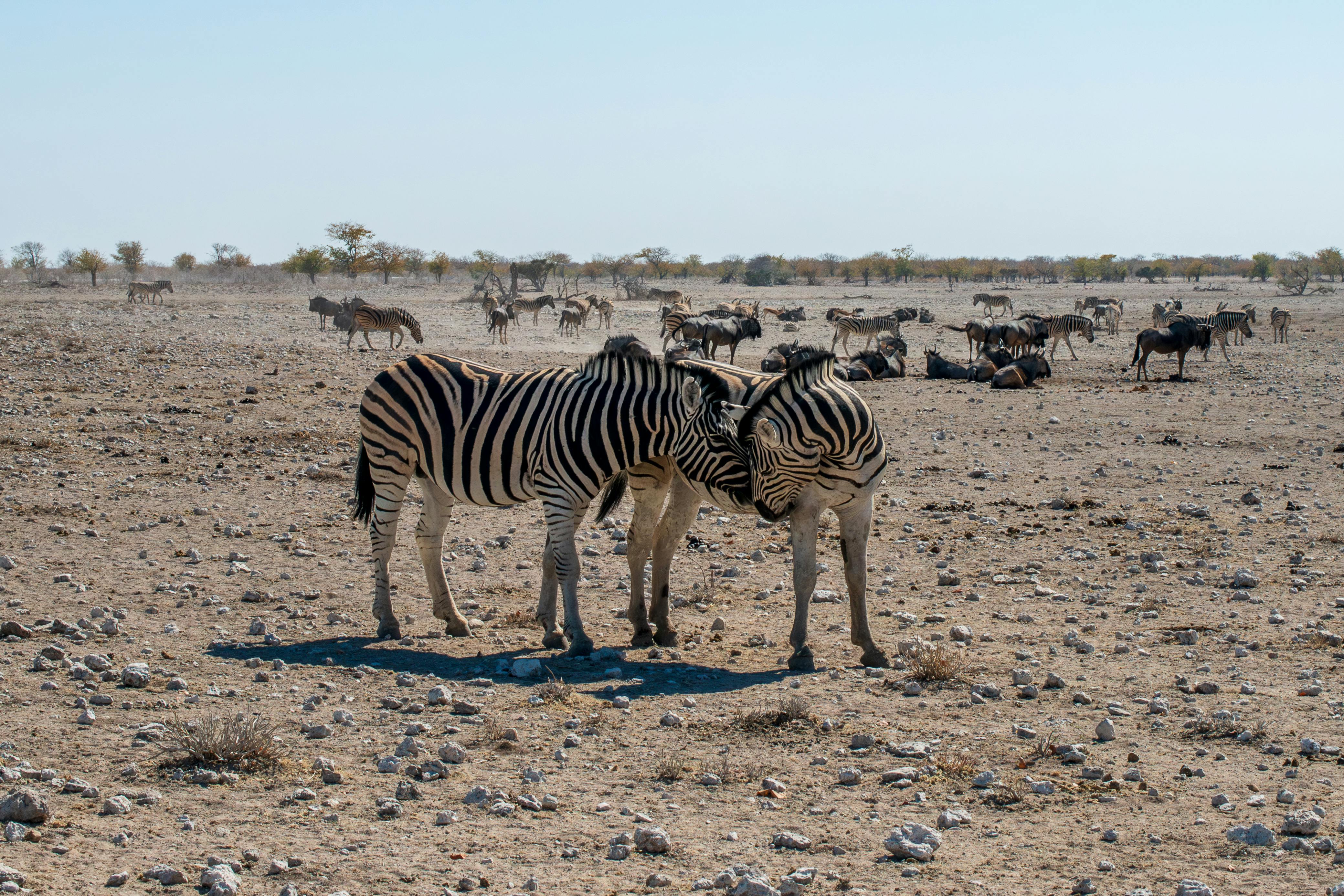
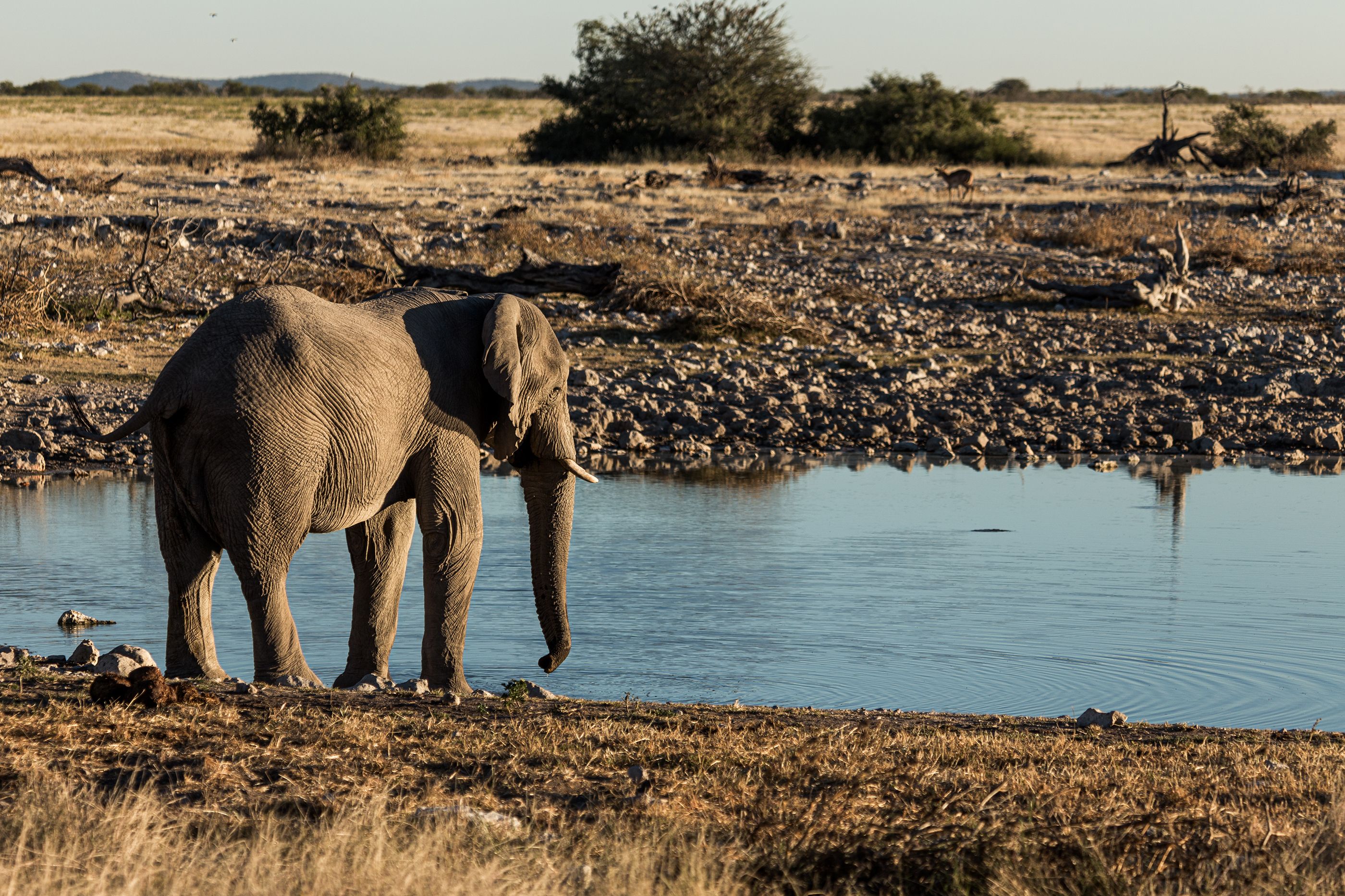
Etosha surrounds a salt pan so large it can be seen from space. In the dry season, elephants, lions, black and white rhinos, giraffes, zebras and huge herds of springbok gather at the waterholes, many of them floodlit at the rest camps of Okaukuejo, Halali and Namutoni so you can watch after dark. Roads are gravel but suitable for ordinary cars; you must stay in your vehicle and keep to the gate times.
In the Kunene region, elephants have adapted to the desert — walking long distances between water sources along dry riverbeds such as the Huab and Hoanib. Desert lions roam as far as the Skeleton Coast, and black rhinos live in rocky hills where tracking them on foot with rangers is possible. These animals live alongside people and livestock, which brings conflict; responsible operators fund the local communities.
Since 1996 Namibian law has allowed rural communities to form conservancies, manage the wildlife on their land and earn money from tourism and hunting. Today they cover a large part of the country. They are widely credited with the recovery of black rhinos, elephants and lions outside the parks — and debated, because trophy hunting is part of the income. Staying at a conservancy-owned lodge is one of the best ways to make your money count.
Namibia has one of the largest wild cheetah populations in the world, most of it on farmland rather than in parks. The Cheetah Conservation Fund near Otjiwarongo works with farmers — including with guard dogs that protect livestock — and is open to visitors. Avoid places that offer petting or walking with cheetahs.
Along the Okavango and Zambezi rivers, Bwabwata, Mudumu and Nkasa Rupara national parks have hippos, crocodiles, buffalo, elephants and some of Namibia's best birding — a different Namibia from the desert. Continue to Botswana's Chobe or Victoria Falls in Zambia.
Poaching remains a threat to rhinos and elephants; Namibia sometimes de-horns rhinos to protect
them. Never share rhino locations online.
Hunting: trophy hunting is legal in Namibia and part of the conservation economy — you may see it
advertised. Decide for yourself, but know it exists.
Drought: severe droughts have hit Namibia in recent years; in 2024 the government culled wildlife,
including elephants, to feed people affected by hunger.
Desert trips to Sossusvlei, Etosha and the coast, a Walvis Bay cruise, and transfers from Hosea Kutako airport. Entrance fees are included in the tour price. Tips for guides and drivers are not included, but they are welcome.
Tour links are affiliate links: if you book, we may earn a small commission at no extra cost to you.
Page updated . Park rules and fees change — check with NWR and lodges directly. All text © Remo Kurka.
Experience the Rich Biodiversity of Namibia